
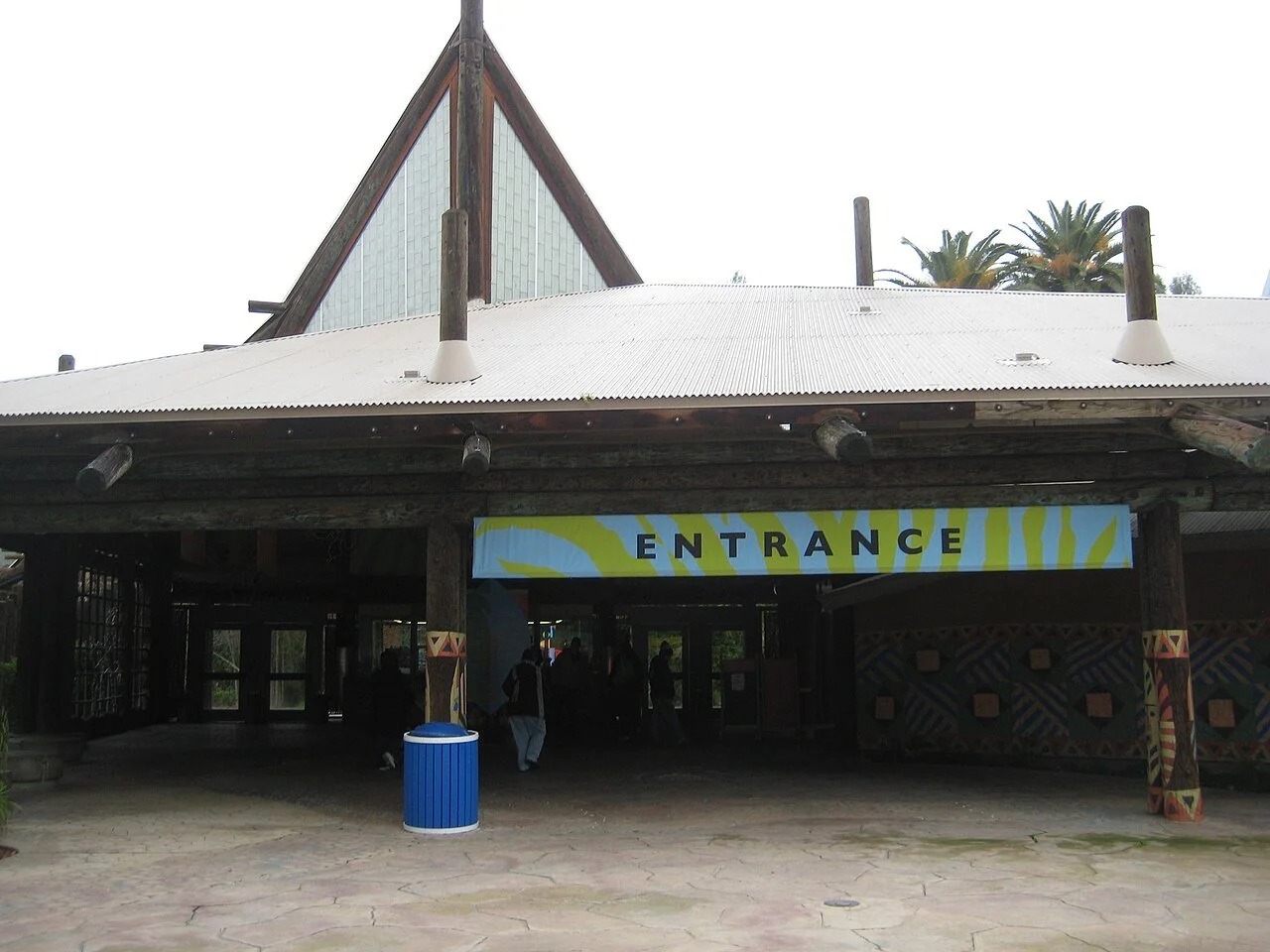
Fresno Chaffee Zoo: Regional Attraction and Expansion in Fresno, CA
Fresno, California sits at the center of the San Joaquin Valley — one of the most climatically demanding regions in the state. Summers regularly exceed 100°F, and dense winter tule fog (a thick ground-level fog unique to California's Central Valley) can settle for days at a time, restricting visibility and outdoor activity.
For residents navigating these seasonal extremes, accessible destinations that offer natural environments and genuine respite carry real value. The Fresno Chaffee Zoo, located within Roeding Park on the city's west side, has served that role for over a century.
From Roeding Park Zoo to a Regional Institution
The zoo's origins trace to roughly 1908, when the city maintained a modest collection of two bears and approximately fifty birds. The Association of Zoos and Aquariums (AZA) — the leading accreditation body for zoological institutions in North America — officially recognized the park's opening year as 1929, when it operated as Roeding Park Zoo.
Growth accelerated through the mid-twentieth century. In 1949, the arrival of an Asian elephant named Nosey generated enough civic enthusiasm to launch the Fresno Zoological Society, the zoo's primary fundraising organization for decades.
Paul S. Chaffee became the zoo's first director in 1965, and after his death in 1990 the institution was renamed in his honor. The name was shortened to Fresno Chaffee Zoo in 2006.
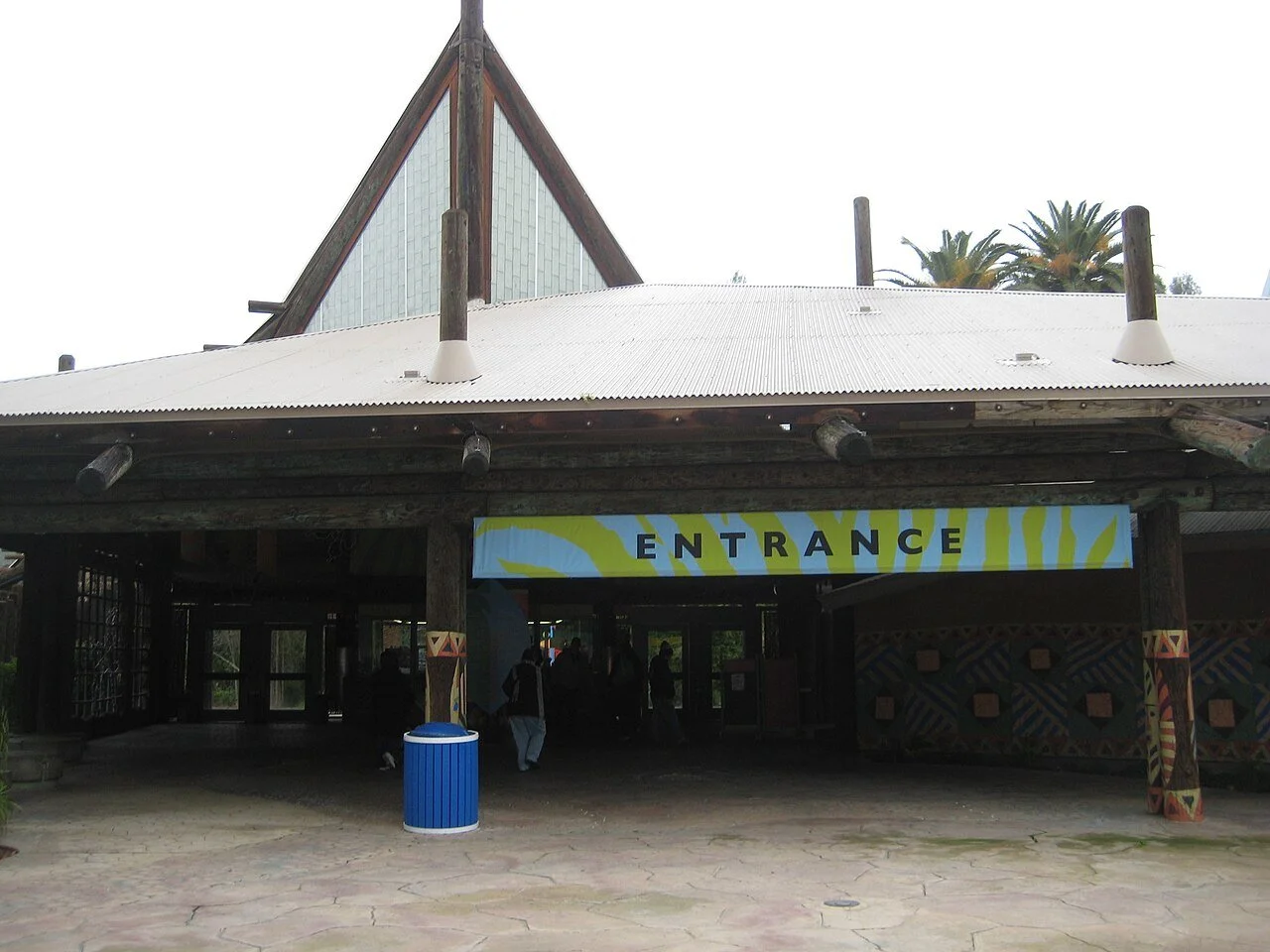
Image credit: Jim Moore, CC BY 2.0, via Wikimedia Commons
Measure Z and the Expansion Era
The most consequential chapter in the zoo's modern history began in 2004, when Fresno voters passed Measure Z — a public ballot measure approved by 73% of voters to fund capital improvements and new exhibits. This community investment launched a series of expansions that transformed a mid-sized municipal zoo into a regionally significant facility.
Early projects included a permanent Stingray Bay exhibit (2009) and a Sea Lion Cove modeled after Point Lobos on the California Central Coast (2012). The largest undertaking was the African Adventure expansion: an 18-acre addition that nearly doubled the zoo's total footprint. Phase one opened in October 2015 with more than 100 animals — lions, African elephants, cheetahs, white rhinoceroses, meerkats, and giraffes.
Attendance reached just under one million visitors in 2016, a record driven by public enthusiasm for the new exhibits. Measure Z was renewed by voters in November 2014 to sustain continued development.
Kingdoms of Asia: The Latest Major Addition
Infrastructure completed in 2019 set the stage for the zoo's most recent signature project. The zoo broke ground on Kingdoms of Asia in September 2020, describing it as an immersive southeast Asian forest environment themed after the temples of Angkor, Cambodia. The exhibit opened in 2023 and now houses Malayan tigers, orangutans, Asian small-clawed otters, sloth bears, songbirds, and bats.
With this addition complete, the Fresno Chaffee Zoo spans 39 acres and houses more than 190 species. It holds dual membership in the AZA and the World Association of Zoos and Aquariums (WAZA), both of which set international benchmarks for animal care, conservation science, and public education.
AZA Accreditation and Its Local Significance
AZA accreditation is not ceremonial. Member institutions must meet rigorous standards across animal care, veterinary programming, conservation initiatives, and visitor safety. AZA-accredited facilities collectively contribute more than $230 million annually to wildlife conservation worldwide — meaning a visit to the Fresno Chaffee Zoo directly connects Central Valley families to broader conservation efforts.
The zoo also functions as an active science education resource. The Doris and Karl Falk Wildlife Education Center, established in the 1980s, has supported field trip programming and classroom curricula for San Joaquin Valley schools for decades, giving students hands-on exposure to wildlife biology and ecology that textbooks alone cannot provide.
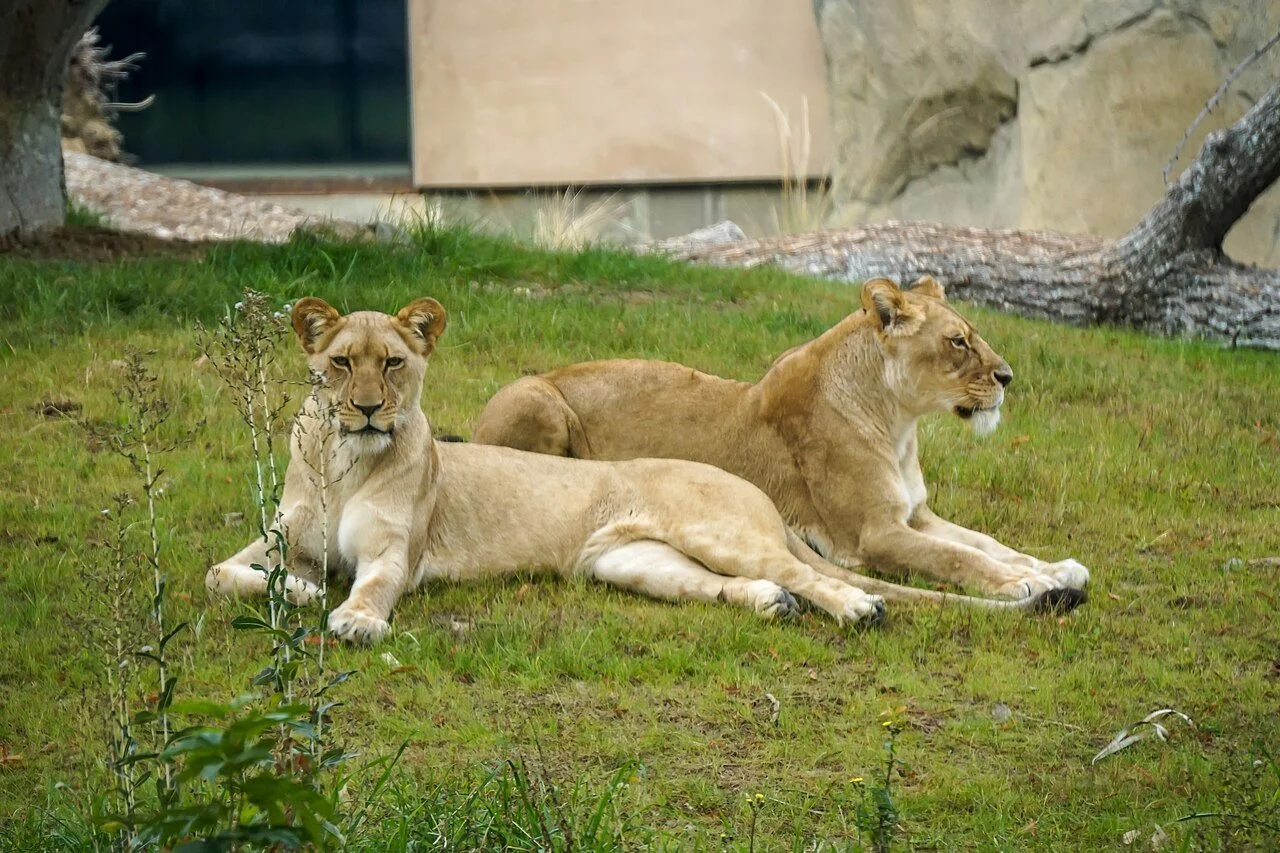

Image credit: Flyfresno, CC BY-SA 4.0, via Wikimedia Commons

Nature, Well-Being, and the Central Valley Context
The zoo's community role takes on additional dimension through a public health lens. Research reviewed by the American Psychological Association found that contact with nature is associated with increases in happiness, positive affect, and sense of purpose, alongside measurable decreases in mental distress. A study published in PNAS found that children with greater access to green space during childhood had a 55% lower risk of developing mental illness later in life compared to those with minimal exposure.
These findings are especially relevant in Fresno. Extreme summer heat limits spontaneous outdoor activity for months at a time, and urban tree canopy coverage across the San Joaquin Valley remains comparatively low. The zoo provides a shaded, biologically rich outdoor environment accessible across seasons — one that supports the nature exposure linked to long-term psychological resilience.
A Community Institution Built by Voters
From a pair of bears in 1908 to a 39-acre accredited zoo approaching one million annual visitors, the Fresno Chaffee Zoo reflects the growth and ambitions of the city around it. Each major expansion — Sea Lion Cove, African Adventure, Kingdoms of Asia — was shaped by community investment and direct voter approval, making the zoo's evolution an unusually democratic story of public infrastructure.
As Fresno continues to grow as California's fifth-largest city, the zoo remains one of its most visited and culturally significant institutions — a place where residents connect with wildlife, with each other, and with the natural world that urban life can so easily crowd out.